
The Post Title 2
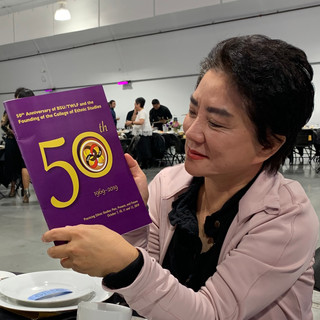
In today's fast-paced world, finding ways to connect with others is more important than ever. Whether you are looking to strengthen existing relationships or build new ones, understanding the dynamics of human interaction can make a significant difference. This blog post will explore various strategies to enhance your connections with others, providing practical tips and insights along the way.
Building strong relationships starts with effective communication. It is essential to express your thoughts and feelings clearly. When you communicate openly, you create an environment of trust. This trust is the foundation of any meaningful relationship.
One effective way to improve communication is through active listening. This means not just hearing the words someone says, but truly understanding their message. Here are some tips for active listening:
Maintain eye contact: This shows the speaker that you are engaged and interested.
Avoid interrupting: Let the person finish their thoughts before you respond.
Ask questions: This demonstrates that you are paying attention and want to understand more.
By practicing active listening, you can foster deeper connections with those around you.
Another key aspect of building relationships is empathy. Empathy is the ability to understand and share the feelings of another person. When you show empathy, you validate the other person's emotions. This can lead to stronger bonds and a greater sense of connection.
To practice empathy, try to:
Put yourself in their shoes: Imagine how you would feel in their situation.
Acknowledge their feelings: Use phrases like "I can see that you are upset" or "That sounds really challenging."
Offer support: Sometimes, just being there for someone can make a world of difference.
Empathy can transform your interactions, making them more meaningful and impactful.
The Power of Shared Experiences
Shared experiences can also strengthen relationships. When you engage in activities together, you create lasting memories. These shared moments can serve as a foundation for your connection.
Consider trying new activities with friends or family. Here are some ideas:
Take a class together: Whether it's cooking, painting, or dancing, learning something new can be a fun bonding experience.
Go on an adventure: Plan a hike, a road trip, or a visit to a local museum. Exploring new places together can create excitement and joy.
Volunteer together: Helping others can bring you closer while making a positive impact in your community.
By creating shared experiences, you can deepen your relationships and build a sense of camaraderie.
The Importance of Vulnerability
Being vulnerable is another crucial element in building strong connections. It may feel uncomfortable at first, but sharing your thoughts and feelings can lead to greater intimacy. When you open up, you invite others to do the same.
Here are some ways to practice vulnerability:
Share your struggles: Talk about challenges you are facing. This can help others feel less alone in their own struggles.
Express your feelings: Let others know how you feel about them. A simple "I appreciate you" can go a long way.
Be honest about your needs: If you need support, ask for it. This shows that you trust the other person.
Vulnerability can be a powerful tool for connection. It allows for deeper understanding and fosters a sense of belonging.
Maintaining Connections Over Time
Once you have established strong relationships, it is essential to maintain them. Life can get busy, and it is easy to lose touch. Here are some tips for keeping your connections alive:
Schedule regular check-ins: Set aside time to catch up with friends or family. A simple phone call or text can make a difference.
Celebrate milestones: Acknowledge birthdays, promotions, or other significant events in your loved ones' lives. This shows that you care and are invested in their happiness.
Be present: When you spend time with someone, be fully engaged. Put away your phone and focus on the moment.
By making an effort to maintain your connections, you can ensure that your relationships continue to thrive.
The Role of Technology in Connection
In today's digital age, technology plays a significant role in how we connect with others. Social media, messaging apps, and video calls can help bridge the gap when distance separates us. However, it is essential to use technology mindfully.
Here are some tips for using technology to enhance your connections:
Limit screen time: While technology can help you stay in touch, it is essential to balance it with face-to-face interactions.
Use video calls: When possible, opt for video calls instead of text or voice. Seeing someone's face can create a more personal connection.
Engage meaningfully: Instead of scrolling through social media mindlessly, take the time to comment on friends' posts or send them a message.
By using technology thoughtfully, you can enhance your relationships rather than hinder them.
Conclusion: The Journey of Connection
Building and maintaining strong relationships is a journey. It requires effort, understanding, and a willingness to be vulnerable. By practicing effective communication, empathy, and shared experiences, you can create meaningful connections with others.
Remember that relationships take time to develop. Be patient with yourself and others as you navigate this journey. With dedication and care, you can foster connections that enrich your life and the lives of those around you.


Comments